Bio
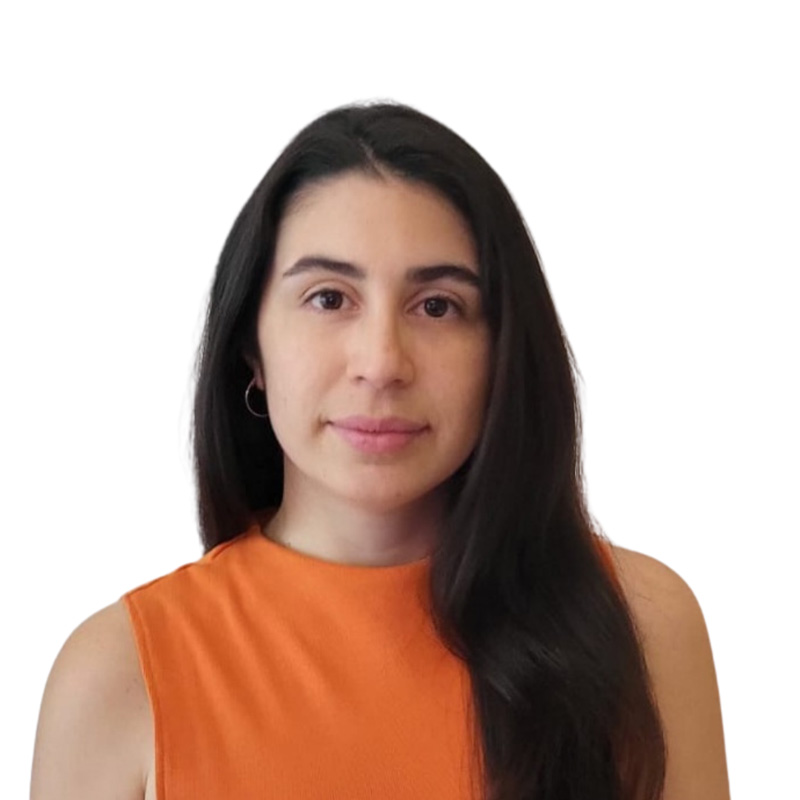
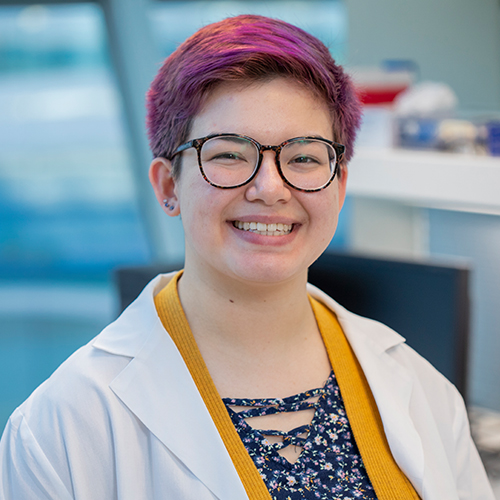
Maria L.G.A. Seixas is a medical student and research intern at the Center for Genomic Medicine – Massachusetts General Hospital, Harvard Medical School. Born in Brazil, she was among the top 0.05% of 45,000 applicants selected for the prestigious Líderes – Fundação Estudar scholarship, part of the largest leadership program in the country, that brought her to Dr. Patricia Musolino’s lab, where she now conducts research on the investigation of plasma biomarkers and brain imaging for early cerebral adrenoleukodystrophy detection. At her university in Brazil, she established the first business-academic partnership in medical research and now dreams of transforming the lives of patients with (c)ALD through translational medicine.
Project: Studying Microvascular Dysfunction in Plasma and MRI as Biomarkers early Cerebral Adrenoleukodystrophy and Response to Treatments (PI: Musolino)
Despite gene therapy(GT) and hematopoietic stem-cell transplantation(HSCT), the current approved treatments for cerebral adrenoleukodystrophy(cALD), delays in diagnosis result in fewer than 20% of affected boys being eligible for treatment. Current diagnosis relies on early lesion detection through MRI, which is performed every six months. However, this approach not only exposes children to frequent anesthesia, but also places them at risk of missing the optimal therapeutic window. Previous works have indicated that microvascular dysfunction on perfusion MRI precedes blood-brain-barrier(BBB) disruption, which has been identified as key in cALD pathogenesis. Plasma markers of vascular dysfunction could, therefore, identify early BBB dysfunction, predict cALD lesion onset and become biomarkers to track response to treatments. In this project, we will correlate cALD lesion progression and microvascular MR perfusion parameters with a set of angiogenesis and neurodegeneration plasma biomarkers in the world’s largest cohort of pediatric ALD patients, composed of patients with ALD-without cALD, untreated cALD and cALD treated with HSCT and GT. By identifying early cALD biomarker candidates, we will be able to stratify risk for cALD in a non-invasive and more accessible manner in asymptomatic patients, particularly newborns who are now nationally tested for cALD at birth. This will pave the way towards early identification of cALD, timely access to HSCT or GT, and potential discovery of new therapeutic targets.